
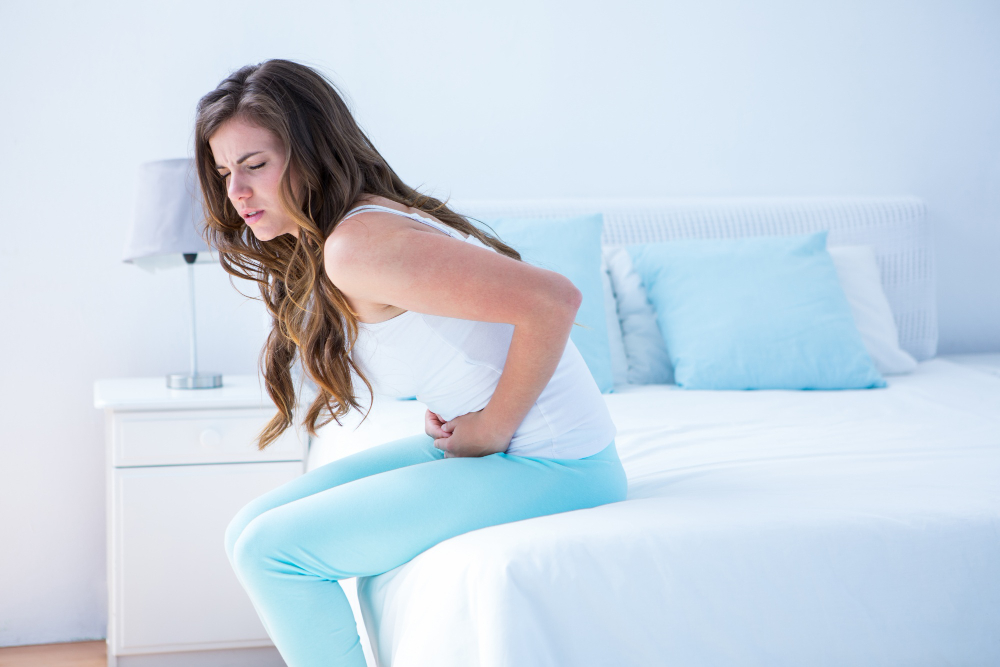
What Is Pelvic Pain?
Pelvic pain is discomfort felt in the lower part of your belly, between your hips. Often, this pain can be mild or severe. Sometimes, it comes and goes. In other cases, it may last a long time. Pelvic pain can affect both men and women, but it is more common in women. Because it can have many causes, it is important to understand what might be happening. According to the World Health Organization (WHO), pelvic pain is a common health concern worldwide.
Common Symptoms of Pelvic Pain
Pelvic pain can feel different for each person. For example, you may notice:
Sometimes, pelvic pain may be linked with other symptoms. For instance, you might have fever, nausea, or unusual vaginal bleeding. If you notice these, you should seek medical help right away.
Main Causes of Pelvic Pain
There are many reasons why pelvic pain can happen. Some causes are short-term, while others are long-lasting. Here are some common causes:
In rare cases, pelvic pain may signal a serious problem, such as appendicitis or a ruptured cyst. Therefore, it is important to get checked if the pain is sudden or severe.
How Pelvic Pain Is Diagnosed
Doctors use several steps to find the cause of pelvic pain. First, they ask about your symptoms and health history. Next, they may do a physical exam. Sometimes, they order tests to learn more. These tests may include:
Because pelvic pain has many causes, your doctor may need to do several tests. This helps them find the right treatment for you.
Treatment Options for Pelvic Pain
Treatment depends on the cause of your pelvic pain. Often, doctors use a mix of methods to help you feel better. Some common treatments include:
For some people, simple home remedies like heat packs or gentle exercise can also help. However, you should always talk to your doctor before starting any new treatment.
Lifestyle Tips and Prevention Strategies
While not all pelvic pain can be prevented, some steps may lower your risk. For example, you can:
Additionally, regular check-ups with your doctor can help catch problems early. If you notice new or worsening symptoms, seek medical advice right away.
When to See a Doctor
Pelvic pain can have many causes, so it is important not to ignore it. If your pain is severe, sudden, or lasts more than a few days, see a healthcare professional. Also, if you have fever, vomiting, or heavy bleeding, get help right away. Early treatment can prevent serious problems and help you feel better sooner.
Consult a healthcare professional at Solace Center for Pain Management for personalized advice on pelvic pain.